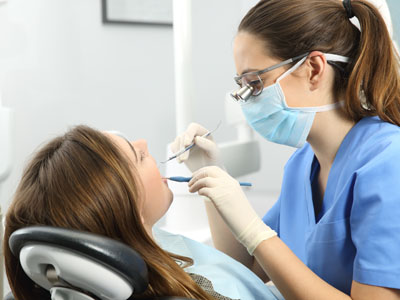
Good daily oral hygiene makes a big difference, but professional cleanings are the partner your at-home routine needs to keep a smile healthy for life. Even the most careful brushing and flossing can miss biofilm and mineralized deposits tucked below the gumline or between tightly spaced teeth. Regular visits for dental cleanings give you a deeper, more thorough removal of those deposits and an opportunity for early detection of issues that are easier to treat when addressed promptly. At Emerald Dentistry, we prioritize clear communication and gentle, evidence-based care so every cleaning visit feels purposeful and comfortable.
Plaque is a living community of bacteria that adheres to tooth surfaces and, if left unchecked, hardens into tartar. Tartar acts like a shield, making it harder to remove bacteria with routine home care alone. Professional cleanings remove this hardened buildup and disrupt bacterial colonies before they can damage enamel or inflame gum tissue. That preventative step reduces the risk of cavities and the early stages of gum disease, which are far easier to manage than advanced conditions.
Beyond the mouth, inflammation driven by oral infection can have effects that reach other parts of the body. While cleanings are not a cure-all, maintaining a low level of oral inflammation supports overall wellness and helps limit the need for more invasive dental treatment down the line. Think of a cleaning as a small, regular investment that preserves both function and comfort.
Cleanings also give your dental team a chance to evaluate changes in your oral health over time. Subtle signs such as recession, new stains, or changes in tissue texture are easier to act on when they’re spotted early. That combination of removal, evaluation, and education is what makes professional cleanings a cornerstone of preventive dental care.
Every cleaning visit begins with a careful assessment. A hygienist will review your medical and dental history, note any symptoms you’ve experienced, and examine the gums, teeth, and tongue. Periodontal probing may be performed to measure the space between the tooth and gum where plaque can accumulate; these measurements help guide treatment decisions and long-term planning.
The cleaning itself often combines hand instruments and an ultrasonic scaler. Hand instruments are precise for scraping along the tooth surface, while ultrasonic scalers use gentle vibrations and a stream of water to break up deposits efficiently. Using both methods allows the hygienist to address shallow and slightly deeper deposits safely and effectively while maintaining patient comfort.
After deposits are removed, polishing smooths the tooth surface and light staining is diminished, leaving the mouth feeling clean. The hygienist will also floss between teeth and may apply a topical fluoride or other protective agents when appropriate. Your provider will conclude the visit by reviewing any findings and offering individualized recommendations to keep your mouth healthy between appointments.
Gum disease develops gradually, and early stages are often painless — that’s why consistent professional care is so important. Cleanings remove the factors that trigger inflammation and allow gum tissue a chance to return to a healthier state. When caught early, gingivitis frequently reverses with improved home care and regular professional maintenance.
For patients with a history of periodontal issues, cleanings are tailored to the degree of risk and tissue response. That may mean more frequent maintenance visits, focused cleaning below the gumline, or specific home-care strategies. The aim is the same: reduce bacterial load, minimize pocket depth, and preserve the supporting structures around teeth so they remain stable and functional for the long term.
Staying on a recommended cleaning schedule also helps prevent tooth loss that can arise from untreated periodontal disease. By interrupting the cycle of bacterial accumulation and inflammation, routine cleanings maintain both the soft tissues and the bone that support teeth, preserving your natural smile whenever possible.
A professional cleaning delivers immediate improvements, but the daily habits you practice at home determine how long those benefits last. Effective brushing twice a day with a soft-bristled brush, combined with regular interdental cleaning using floss or interdental brushes, removes plaque before it mineralizes. Small technique adjustments — like angling the brush toward the gumline or using short, controlled strokes — can make home care notably more effective.
Electric toothbrushes often provide more consistent removal of plaque for many people, and interdental brushes can be especially helpful for those with wider spaces between teeth or dental work that makes flossing difficult. Your hygienist can recommend tools and techniques that fit your mouth and lifestyle, so home care becomes easier and more effective.
Diet and habits also play a role. Frequent snacking on sugary or starchy items increases the opportunity for plaque to thrive, while tobacco use contributes to staining and impairs healing. Modest, sustainable changes to daily routines—paired with professional cleanings—help preserve both oral health and the appearance of your smile.
Cleanings are designed to be safe and comfortable. If sensitivity or anxiety is a concern, hygienists can adjust their techniques, offer topical numbing, or suggest timing and pacing that keeps the experience manageable. Open communication about comfort levels allows the clinical team to tailor each visit to your needs.
Modern dental practices pair skilled clinicians with current infection-control standards and technology that enhance precision. Digital records, intraoral cameras, and up-to-date instrumentation help the team document changes over time and explain findings clearly so you can make informed choices. The result is care that’s both gentle and exacting.
Our philosophy emphasizes education and respect: we’ll explain what we find, why it matters, and what the next steps might be — always without pressure. When patients understand the connection between cleanings, daily habits, and long-term outcomes, they’re better equipped to keep their smiles healthy.
Regular dental cleanings are a proactive, practical way to protect your teeth and gums while catching problems early. If you’d like to learn more about how a cleaning fits into your overall care plan, please contact us for more information — our team is happy to answer your questions and help you schedule a visit that meets your needs.


A dental cleaning is a professional preventive appointment in which a licensed hygienist removes plaque, hardened tartar and surface stains while assessing gum and tooth health. This process helps disrupt bacterial colonies that contribute to cavities and gum inflammation before they progress to more serious problems. Regular cleanings are a cornerstone of preventive care because they combine mechanical removal of deposits with screening for early signs of disease.
Beyond immediate removal of buildup, cleanings provide an opportunity for education and individualized guidance so patients can improve home care between visits. Detecting small changes early makes treatment simpler and less invasive over time. Think of a cleaning as both maintenance and an early-warning check that preserves oral function and comfort.
Most people benefit from a cleaning every six months because that interval balances plaque control with the rate at which tartar can form. Your hygienist and dentist will review your risk factors—such as history of gum disease, smoking, systemic health conditions or heavy plaque buildup—and recommend a personalized schedule. For some patients with periodontal concerns, maintenance may be more frequent to prevent recurrence.
Consistency matters: sticking to a recommended schedule helps the dental team track subtle changes and intervene early when necessary. If you notice increased bleeding, persistent bad breath or other changes between visits, contact the office to arrange an earlier assessment. Regular visits reduce the likelihood of extensive treatment later on by keeping problems small and manageable.
A complete hygiene visit begins with a medical and dental history review and an exam of the teeth, gums and oral tissues to note any symptoms or new findings. Periodontal probing may be performed to measure pocket depths and guide the level of care, and the hygienist documents any recession, staining or tissue changes for long-term monitoring. These baseline observations help tailor the cleaning and follow-up recommendations.
The cleaning typically combines ultrasonic scaling and hand instruments to safely remove deposits above and slightly below the gumline, followed by polishing and flossing to smooth tooth surfaces. Fluoride or other protective agents may be applied when appropriate to strengthen enamel and reduce sensitivity. The visit ends with a clear explanation of findings and practical home-care tips tailored to your mouth.
Hygienists commonly use ultrasonic scalers that vibrate to break up heavy deposits while delivering a steady stream of water to flush debris, paired with hand instruments for precise removal in tight areas. Polishing removes surface stains and smooths enamel, and flossing ensures interdental spaces are clean. These complementary tools allow clinicians to address both shallow and somewhat deeper deposits efficiently and safely.
Modern practices also rely on visual aids like intraoral cameras and digital records to document findings and show patients areas of concern. For patients with sensitive teeth, clinicians can adjust techniques, slow the pace or use topical agents to increase comfort. The goal is effective debridement with attention to patient comfort and long-term tissue health.
Gum disease begins with bacterial plaque that triggers inflammation of the gums; removing plaque and hardened tartar through cleanings reduces that inflammatory stimulus. Early stages such as gingivitis are often reversible with improved home care and professional maintenance, while routine cleanings help prevent progression to periodontitis. For patients already showing signs of periodontal disease, more frequent maintenance and targeted subgingival cleaning help control bacterial load and stabilize tissues.
By lowering pocket depths and reducing inflammation, consistent professional care helps preserve the soft tissues and the underlying bone that support teeth. Interrupting the cycle of accumulation and inflammation decreases the long-term risk of tooth mobility and loss. Regular documentation and monitoring also allow the dental team to intervene sooner if disease activity increases.
Yes — cleanings can be adapted to address sensitivity and dental anxiety so patients remain comfortable throughout the visit. Hygienists can use gentler instrumentation, topical desensitizers, altered pacing and clear communication to reduce discomfort, and they will pause or adjust treatment if sensitivity spikes. For anxiety, simple strategies like breaks, breathing techniques and explaining each step often help patients feel more in control.
If sensitivity is a persistent problem, your clinician can recommend home products, desensitizing agents or timing choices that make future cleanings easier. In some cases, a topical anesthetic is appropriate to manage acute sensitivity during treatment. Open communication about comfort and previous experiences allows the team to tailor care to each patient's needs.
Professional cleanings remove surface stains created by coffee, tea, tobacco and other pigments, which can brighten the appearance of teeth and restore a smoother, cleaner surface. While cleanings are not the same as whitening procedures, they often make teeth look fresher and provide an ideal starting point for cosmetic treatments if desired. Polishing reduces light-scattering surface irregularities, improving the overall sheen of enamel.
For deeper intrinsic stains or cosmetic goals beyond stain removal, your dentist can discuss adjunctive options such as in-office or take-home whitening treatments. Maintaining regular cleanings also helps keep cosmetic results looking better for longer by controlling new stain accumulation and plaque buildup. A clean, healthy foundation is key to predictable cosmetic outcomes.
Effective home care is essential to prolong the improvements achieved during a cleaning: brush twice daily with a soft-bristled brush, clean between teeth daily with floss or interdental brushes, and use fluoride toothpaste to protect enamel. Small technique adjustments, such as angling the brush toward the gumline and using short, controlled strokes, can substantially improve plaque removal. Electric toothbrushes and properly sized interdental tools often provide more consistent results for many patients.
Dietary choices and habits also influence how quickly plaque and stains return; limiting frequent sugary or starchy snacks and avoiding tobacco support oral health. Your hygienist can recommend specific products and routines based on your mouth and any restorations you have. Pairing disciplined home care with scheduled professional maintenance is the most reliable way to keep a healthy smile.
Maintaining low levels of oral inflammation through routine cleanings supports overall health because chronic oral inflammation can contribute to systemic inflammatory burden. While cleanings are not a cure-all, they reduce persistent sources of infection and inflammation that the body must manage. Regular dental monitoring also helps spot issues that could affect nutrition, speech and quality of life if left untreated.
Additionally, dental visits provide an opportunity to screen for signs of systemic conditions that have oral manifestations, such as diabetes or certain nutritional deficiencies, and to coordinate care with your medical providers when appropriate. Keeping your mouth healthy helps preserve function and comfort, which in turn supports everyday wellbeing.
At Emerald Dentistry we develop cleaning and maintenance plans based on each patient's medical history, periodontal status and lifestyle factors so care matches their individual risk profile. Initial assessments, probing measurements and ongoing documentation allow the team to adjust visit frequency, techniques and home-care recommendations over time. Personalization helps prevent over- or undertreatment and focuses resources where they will have the greatest long-term benefit.
Our Yonkers office emphasizes clear communication and patient education so every recommendation is explained and understood without pressure. Whether a patient needs routine six-month care, more frequent periodontal maintenance or targeted home-care coaching, the plan is created collaboratively to support lasting oral health. Patients leave with concrete steps to maintain the results between visits and a schedule that makes sense for their needs.

Contact us today and discover a calmer, more confident dental experience in Yonkers.
If you are looking for a dental practice that values honesty, comfort, and high quality care, we invite you to experience Emerald Dentistry. From your first visit onward, you will notice a difference in how we listen, explain, and care for our patients.