At Emerald Dentistry, we treat children's smiles with the same care and respect we give adult patients — but with an approach built for growing mouths and curious minds. Our goal is to help each child develop healthy habits, avoid preventable problems, and feel confident about dental visits from their very first appointment.

Good oral health begins long before a child has a full set of teeth. Early visits support healthy development by allowing a dental team to track growth, answer parents' questions, and put simple preventive measures in place. When families begin dental care early, we can spot small concerns before they become complicated and teach routines that make daily brushing and flossing second nature.
Our approach is gentle and educational. We meet children where they are — whether that means holding a parent's hand during a first exam or using age-appropriate language and tools to show a curious child how their teeth work. The clinic environment, equipment, and scheduling all prioritize comfort and predictability so visits feel safe rather than intimidating.
Prevention is the through-line of pediatric dentistry: regular cleanings, fluoride where appropriate, and targeted guidance on diet and habits reduce the chance of cavities and other issues. We partner with parents to build a plan that fits each child's routine and temperament, focusing on long-term outcomes rather than quick fixes.
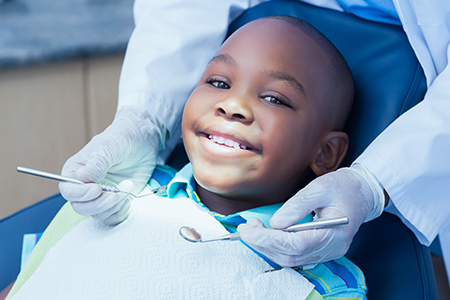
Regular checkups create a consistent record of how teeth, jaws, and bite relationships are developing. During each visit, clinicians assess for early signs of decay, evaluate eruption patterns, and note any concerns about alignment or oral habits. Because growth happens quickly in childhood, what looks normal one year can change the next, making periodic exams essential.
Professional cleanings remove plaque and tartar that home care can miss, and they provide an opportunity for targeted instruction. A hygienist can demonstrate techniques that help children reach difficult spots and make brushing more effective — practical skills that parents and kids can use at home between visits.
When small problems are detected early, treatments are often simpler and less invasive. Early intervention can prevent the need for more extensive work later on and supports a more comfortable experience for the child throughout their dental life.
Tooth decay is not a reflection of poor parenting; it is the result of bacteria, diet, and tooth-environment interactions. Sugary and sticky foods, frequent snacking, and prolonged exposure to milk or juice at bedtime increase risk. Understanding these factors helps families make manageable changes that protect enamel and reduce cavity risk.
Simple, consistent habits — such as avoiding putting a child to bed with a bottle of milk or juice, supervising brushing until children can do it effectively, and offering water between meals — make a measurable difference. In the clinic, we discuss practical strategies tailored to family schedules and preferences to support healthier daily choices.
Begin dental visits early to establish comfort and familiarity
Keep babies' and toddlers' emerging teeth clean with gentle wiping or an infant brush
Replace milk or juice at bedtime with water to reduce overnight decay risk
Schedule routine exams and cleanings to catch issues early
Model good oral care and make brushing and flossing a shared family activity
Choose tooth-friendly snacks and limit frequent sugary drinks
Support children as they break pacifier and thumb-sucking habits at the right time
Use a mouthguard when appropriate to protect teeth during sports

Even in infancy, oral care matters. Primary teeth begin forming before birth and start to erupt in the first year of life. Pediatric dental care at this stage focuses on prevention, early detection, and parent education — everything from safe cleaning methods to teething comfort strategies and when to expect new teeth to appear.
We follow national guidelines recommending an early dental visit around the first birthday. That visit is an opportunity to review feeding routines, discuss fluoride use, check for white spots or other early signs of decay, and answer common parental concerns about teething or oral development.
When problems do arise, addressing them promptly reduces discomfort and helps maintain proper spacing for permanent teeth. Our team explains options clearly and helps families choose treatments that match their child’s needs and readiness.
Certain in-office treatments provide extra protection when a child is at higher risk for cavities. Dental sealants, for example, create a barrier over the grooves of back teeth where food tends to collect. Fluoride treatments strengthen enamel and offer an additional line of defense against decay when indicated by age or risk factors.
These treatments are quick, typically painless, and can be scheduled during routine visits. They are most effective when combined with consistent home care and sensible dietary choices. We tailor recommendations based on each child’s dental history and developmental stage.
Preventive care also includes customized advice on thumb or pacifier habits, space maintenance if a baby tooth is lost early, and timing considerations for orthodontic evaluation. Thoughtful prevention helps reduce future treatments and supports a smoother transition to adult dental health.
Adolescence brings rapid dental change: permanent teeth erupt, facial growth accelerates, and jaw alignment becomes clearer. At this stage, focus shifts to stabilizing oral health while preparing for any orthodontic needs. Routine visits continue to be important for monitoring development and keeping enamel protected.
Teen years often introduce new challenges — braces or aligners, increased independence with hygiene, and social concerns about appearance. Our team works with families to set realistic expectations, offer practical hygiene tips for orthodontic appliances, and recommend protective measures like custom mouthguards for athletes.
When orthodontic care is indicated, early recognition of growth or alignment issues allows for better planning. We communicate clearly about the timing and purpose of referrals if specialty treatment will benefit long-term results.
Beyond cavities, pediatric dental care includes watching how the jaws and bite are forming. Small imbalances or habits can influence future alignment; early observation allows clinicians to advise families about possible interceptive measures or the appropriate timing for an orthodontic consultation.
A balanced diet supports not only general growth but also the tissues that support teeth. Encouraging whole foods, limiting sticky or sugary snacks, and promoting water as the primary drink helps teeth resist decay and gums remain healthy. We offer practical, age-appropriate guidance that fits family routines and preferences.
Play and physical activity are essential to childhood, but they also carry a risk to the teeth. Well-fitted mouthguards reduce the chance of broken or knocked-out teeth and protect soft tissues. We can advise on the right type of protection for different sports and provide custom-fitting options when appropriate.
Accidents happen despite the best precautions. Common urgent issues include loose or fractured teeth, painful swelling, or severe toothache. Our team is experienced in stabilizing injuries, addressing pain, and preventing long-term complications — with a calm, child-focused approach that aims to restore comfort quickly.
Knowing how to respond immediately — preserving a knocked-out tooth properly, rinsing minor cuts, or seeking prompt dental attention — often makes a significant difference in outcomes. We review practical first-aid steps during routine visits so parents feel prepared if an emergency occurs.
In short, pediatric dentistry is about building healthy foundations: prevention, education, and timely care that respect each child’s development and personality. If you'd like to learn more about how we care for young patients or want to discuss a specific concern, please contact us for more information.


A pedodontist is a dentist who has received advanced specialty training in meeting the dental needs of children from infancy to adolescence. Pedodontists, also referred to as "pediatric dentists," study child psychology, behavior management, caring for children with special needs, methods of handling oral/facial trauma, and various techniques for providing anesthesia and sedation. Pedodontists also understand the complexities of facial growth and development and have the clinical skills required to meet the dental needs of all children at every stage of development. Most of all, pedodontists are passionate about what they do and enjoy working with children. They strive to make every dental experience a positive one as they help children establish a strong foundation for good oral health.
Even before your child is born, their first set of teeth is already forming. In fact, by one year of age, some of your baby's front teeth will have already come into place. While the arrival of your baby's first teeth is only one of many developmental milestones, it represents an excellent time to begin a program of oral care. According to recommendations from the American Dental Association, babies should see the dentist around the time of their first birthdays.
Your baby's first teeth typically begin to appear in the 6 to 12-month range. While this is an extraordinary milestone, you need to be aware that your baby may find the experience a little bit uncomfortable. Teething can make babies feel irritable. They may be fussy, have trouble sleeping, not want to eat, and drool quite a bit.
Although you are powerless to speed up the process of teething, there are a few things that you can do to soothe your baby as the new teeth are erupting into place. Common approaches to helping your baby feel more comfortable while getting new teeth, include teething rings or a cold spoon or moist gauze rubbed over their gums.
Even for these few new teeth, it's absolutely essential to establish an effective regimen of oral care. For information on when your baby's first set of teeth will erupt into place, consult this timeline from the American Dental Association: Eruption Charts
Some children persist in sucking their thumbs or fingers beyond their preschool years. For these children, the activity continues to be a source of comfort, relaxation, and security. It may even help them fall asleep at night. However, it's essential to be aware that in the long-term, a finger sucking habit is not healthy.
If your child's thumb or finger sucking habit is still present when the permanent teeth begin to come in, your child is at a higher risk of developing a bad bite. By the age of five or six years, you need to constructively and gently help your child stop the habit.
It's also a good idea to have a comprehensive evaluation at this time. Your pedodontist can assess if there are any habit related alterations to the alignment of your child's teeth or jaws, or if it is affecting their speech or swallowing patterns. They can also discuss habit control strategies with you, as well as follow your child's bite and facial development as they grow. If interceptive appliances or corrective orthodontic care are recommended, the timetable and best options in care will be explained in complete detail.
A child's first dental visit is recommended by around their first birthday or within six months after the first tooth appears. Early visits allow the dental team to monitor development, spot early issues, and help families establish daily care routines. At Emerald Dentistry we design a gentle, educational first visit that focuses on comfort and parent guidance.
This appointment typically includes a brief exam, a review of feeding and oral habits, and practical tips for cleaning emerging teeth. We use age-appropriate language and strategies so infants and parents feel at ease. Establishing care early helps reduce anxiety and supports long-term oral health.
Most children benefit from dental checkups every six months, though frequency can vary based on cavity risk, eruption patterns, or special health needs. Regular visits create a reliable record of growth and allow hygienists to remove plaque and tartar that home care can miss. Those visits also give clinicians a chance to reinforce brushing and flossing techniques tailored to the child's age.
For children with higher risk factors the team may recommend more frequent monitoring to catch changes early. Routine cleanings are short and focused and provide an opportunity to apply preventive treatments when appropriate. Keeping a consistent schedule helps make dental care a normal part of family life.
Common in-office preventive treatments include fluoride varnish and dental sealants, both of which strengthen enamel and reduce decay in vulnerable areas. Sealants are placed on the chewing surfaces of back teeth to block grooves where food and bacteria collect, while fluoride helps remineralize early enamel damage. These procedures are quick, generally painless, and most effective when combined with consistent home care.
The dental team assesses each child's individual risk and recommends treatments based on age, cavity history, and dietary habits. Preventive care also includes personalized guidance on brushing, flossing, and timing of routine visits. Together these measures lower the likelihood of more extensive treatment later on.
Parents can protect their child's teeth through consistent habits like supervised brushing with an age-appropriate fluoride toothpaste twice a day and daily flossing as tooth contacts form. Avoiding bottles of milk or juice at bedtime and offering water between meals reduces prolonged exposure to sugars that fuel decay. Limiting frequent snacking on sticky or sugary foods and choosing tooth-friendly snacks supports enamel health.
Modeling good oral hygiene and making brushing a shared family routine helps children learn proper technique and build lifelong habits. Regular dental appointments allow clinicians to reinforce at-home strategies and intervene early when necessary. Small, practical changes are usually more successful than strict rules.
Dental anxiety is common among children, and the team uses behavior guidance techniques tailored to each child's needs, such as positive reinforcement, tell-show-do, and allowing a parent to be present when appropriate. Creating a predictable visit structure and using age-appropriate language helps children understand what to expect and reduces fear. For particularly anxious patients the office may use distraction, gradual desensitization, or adjusted scheduling to build comfort over time.
Open communication with parents before the appointment allows staff to plan strategies that match the child's temperament and past experiences. The focus is on slow, pressure-free approaches that prioritize comfort and education rather than coercion. When additional support is needed, the team will explain options and next steps clearly.
For urgent issues such as severe pain, swelling, a knocked-out tooth, or a broken tooth, seek prompt dental attention to preserve oral health and improve outcomes. If a permanent tooth is knocked out, keep it moist by placing it in milk or the child's saliva and bring it to the dentist immediately, since timely care can sometimes save the tooth. Contact Emerald Dentistry or your nearest emergency dental facility if you cannot reach the office right away.
For painful swelling or intense toothache, rinsing with warm water, applying a cold compress to the outside of the cheek, and avoiding placing medication directly on the gums can help until professional care is available. The dental team focuses on stabilizing injuries, addressing pain, and preventing long-term complications with a calm, child-centered approach. Reviewing simple first-aid steps during routine visits prepares families to respond effectively to common emergencies.
Fluoride is a proven tool for preventing tooth decay and is safe when used appropriately for a child's age and risk level. A pediatric dentist will advise on toothpaste use, recommended amounts for different ages, and whether in-office fluoride varnish or supplements are appropriate based on diet and local water fluoridation. Topical fluoride treatments applied in the office are quick and tailored to the individual child's needs.
Parents should supervise brushing and use only a smear or pea-sized amount of fluoride toothpaste depending on age to balance benefits and avoid excess ingestion. The dental team reviews proper dosing and answers questions about fluoride during routine visits. When monitored and applied correctly, fluoride is one of the most effective preventive measures against cavities.
Thumb-sucking and pacifier use are common in infants and young children and are usually not harmful in the earliest years, but persistent habits can influence tooth position and arch shape over time. Dentists monitor these behaviors and related dental development during routine exams and advise on the appropriate timing for habit cessation. Early, gentle interventions and positive reinforcement are effective for most children.
If habits continue beyond the preschool years or begin to affect bite relationships, the dental team may recommend strategies such as habit reminders, behavior modification techniques, or referral to a pediatric specialist. Addressing the habit at an age-appropriate time reduces the risk of orthodontic complications later. The emphasis is on supportive, nonpunitive approaches that respect the child's comfort.
Signs that warrant evaluation include early or late loss of baby teeth, noticeable asymmetry, crossbites, crowding, or oral habits that influence jaw growth. Routine dental visits make it possible to track how the jaws and bite are developing and to recognize issues as they emerge. Early recognition allows the dentist to recommend monitoring or to refer to an orthodontist for interceptive care when appropriate.
Not every alignment issue requires immediate treatment; many cases benefit from observation until growth patterns are clearer. When early intervention is indicated it can simplify later orthodontic care and sometimes reduce the extent of future treatment. The dental team explains the purpose and timing of referrals so families can make informed decisions about long-term planning.
Nutrition plays a central role in oral health because frequent exposure to sugars and acids raises the risk of decay while a balanced diet supports enamel strength and gum health. Encouraging whole foods, fresh fruits and vegetables, dairy or fortified alternatives, and water as the primary drink helps teeth and overall development. Limiting sticky, starchy, or sugary snacks and choosing foods that require chewing reduces cavity risk.
Practical strategies include serving snacks at set times rather than allowing constant grazing, pairing treats with water or balanced foods, and offering tooth-friendly options like cheese, plain yogurt, and crunchy vegetables when age-appropriate. Parents should be mindful of beverage choices and avoid prolonged exposure to juices or sweetened drinks. The dental team can provide personalized dietary guidance during visits based on a child's risk profile and routine.

Contact us today and discover a calmer, more confident dental experience in Yonkers.
If you are looking for a dental practice that values honesty, comfort, and high quality care, we invite you to experience Emerald Dentistry. From your first visit onward, you will notice a difference in how we listen, explain, and care for our patients.